What is my life like between treatments? It’s a weird place to be. No chemo, no scans, no immunotherapy, no radiation. Just a nothing week. That was my week last week and also most of this coming week. It’s a place of forgetting that something dreadful is going on inside my body. It is a place where I can be me without thinking about cancer. That’s not totally true. I do think about cancer. It’s really hard to put it out of my mind when it is, in fact, a mystery going on inside of me.
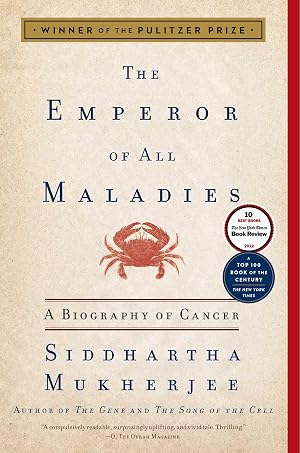
I am currently in the middle of the book, “The Emperor of all Maladies,” which is the biography of cancer. It is a big book. I read it years ago, but it didn’t stick because I couldn’t totally relate to it. Now, I want to know who it is, where it came from, why it wants to be such a naughty entity.
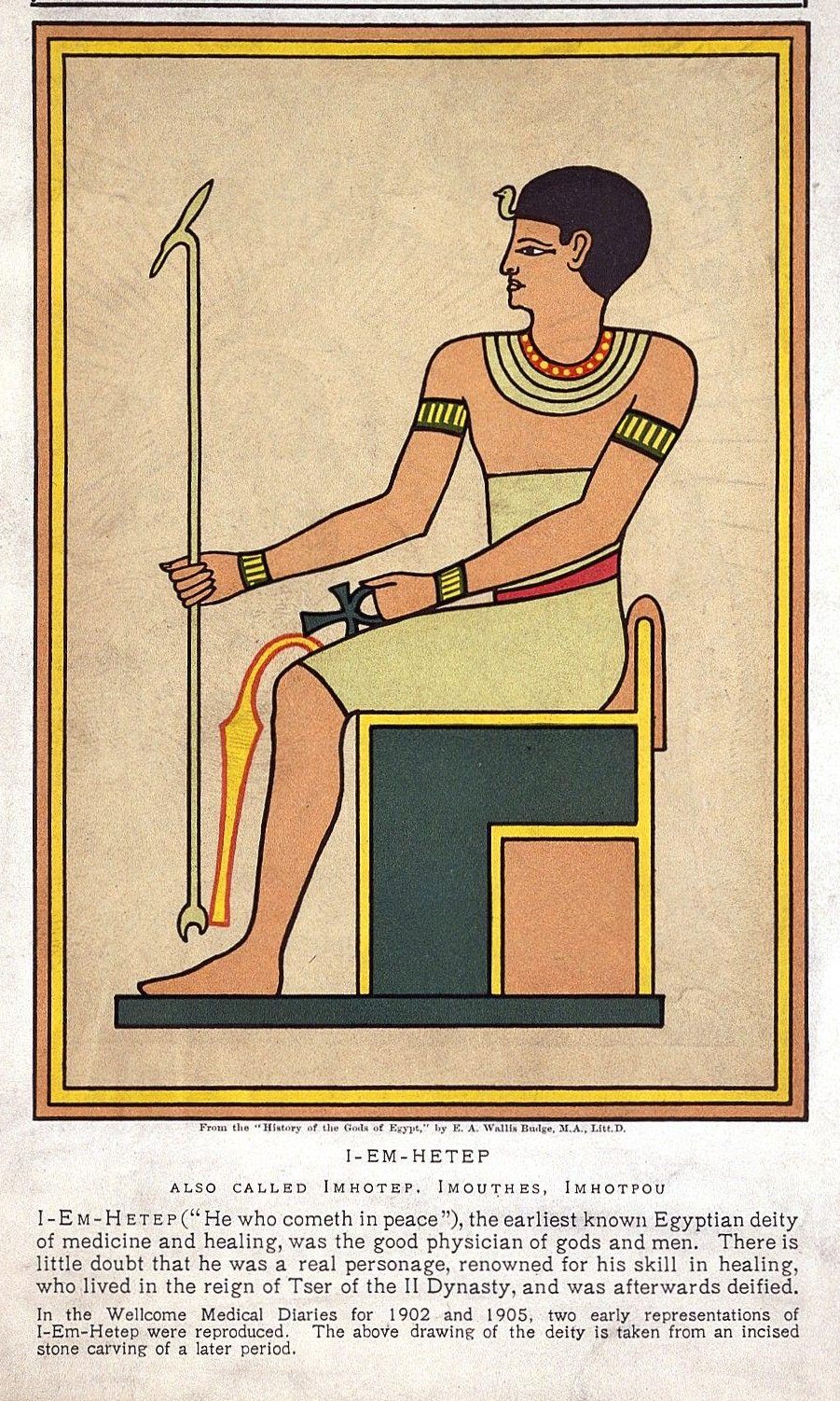
Cancer was apparently discovered around 2500 BC, in writings of some dude named Imhotep who was an Egyptian physician. He describes what we would know as breast cancer. An ancient papyrus translated stated, “if you place “your hand upon [the] breast [and] find them to be cool, there being no fever at all therein when your hand feels him; they have no granulations, contain no fluid, give rise to no liquid discharge, yet they feel protuberant to your touch, you should say concerning him: ‘This is a case of bulging masses I have to contend with…. Bulging tumors of the breast “mean the existence of swellings on the breast, large, spreading, and hard; touching them is like touching a ball of wrappings, or they may be compared to the unripe hemat fruit, which is hard and cool to the touch.”
I had to research what a “hemat fruit” was. Because there is no modern equivalent to this mentioned fruit, historians believe it may have been an unripe fig or pomegranate that is hard and cold to the touch.
In this ancient writing Imhotep also included treatments that were used for wounds and other ailments. On this description of this “bulging tumor,” all he stated under the heading ‘treatment’ was, “There is none.” Shocking but true, especially when you think people are still dying of breast cancer and other forms of cancer.
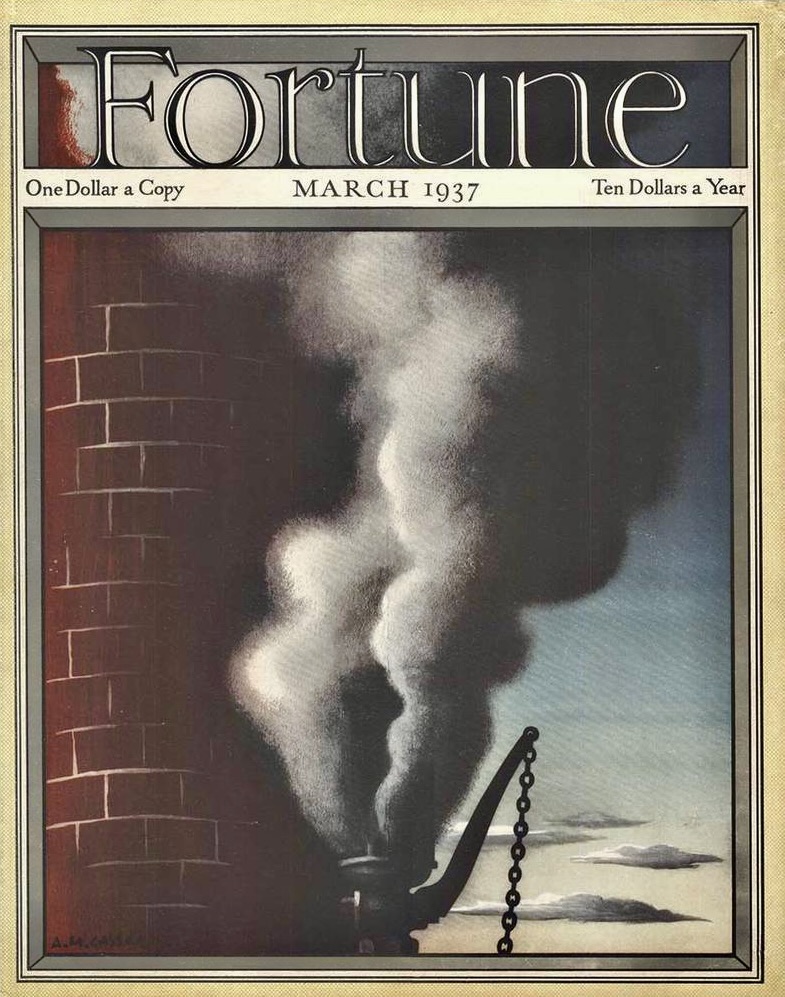
Fortune Magazine wrote in March 1937, “Thus, for 3,000 years and more, this disease has been known to the medical profession. And for 3,000 years and more, humanity has been knocking at the door of the medical profession for a ‘cure.’”
I find the book interesting in the fact that not much had really been done about finding treatments for cancer until the 20thcentury. Having access to anesthesia, antibiotics, dyes that can color different things within a cell, x-rays, etc., started the slow trek to finding a treatment, and hopefully one day, finding a cure.
Although not finished reading the book, I was looking at the quotes that are at the beginning of each chapter. I found these quotes to be quite interesting.
One quote was published December 1969 in the New York Times states, “Why don’t we try to conquer cancer by America’s 200th birthday? What a holiday that would be!” Well, that did not happen in 1976, and it still has not happened for America’s 250th birthday this year in 2026. Let’s keep trying!
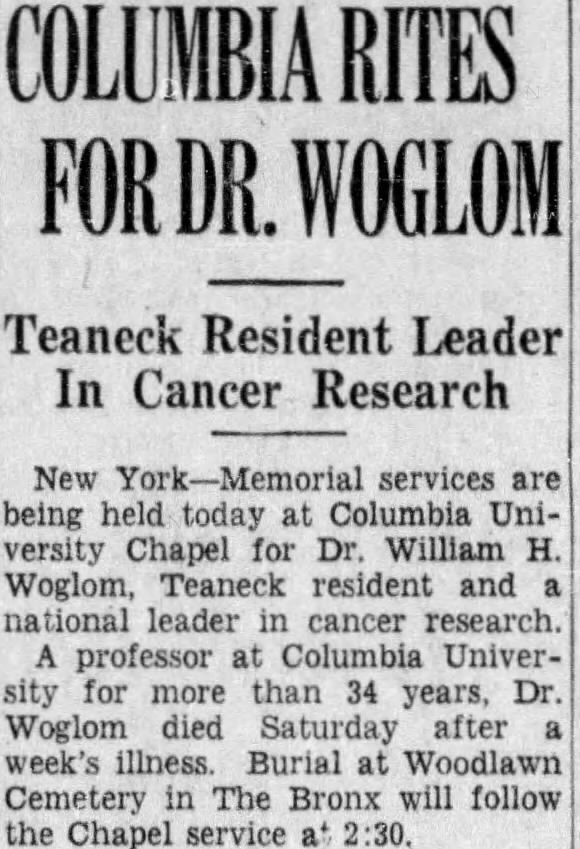
Dr. William Wolgrom (1879-1953) was a cancer researcher. He also found the treatment for cancer to be highly difficult stating, “Those who have not been trained in chemistry or medicine may not realize how difficult the problem of cancer treatment really is. It is almost—not quite, but almost—as hard as finding some agent that will dissolve away the left ear, say, and leave the right ear unharmed. So slight is the difference between the cancer cell and its normal ancestor.” I do think cancer treatment has improved remarkably from his time, but there are still side effects that mirror Dr. Wolgom’s thoughts that these treatments can also be harmful to the healthy parts of one’s body.

Voltaire, the French philosopher and writer born in 1694, wrote, “Doctors are men who prescribe medicines of which they know little, to cure diseases of which they know less, in human beings of whom they know nothing.” Smart guy. I am not disparaging doctors, but they do the best they can do with the small amount of knowledge we all have on the subject, and they don’t have a lot of time to get to know their patients. As I see the crowds of people walking into and out of MD Anderson Cancer Center, there is no way these doctors can really know all their patients.
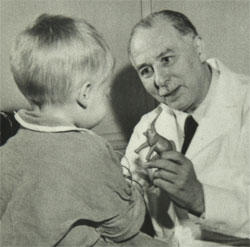
Dr. Sidney Farber, a pathologist who worked hard to find a cure for childhood leukemia and started a hospital treating these children in Boston, Massachusetts, wrote in a 1962 letter, “The greatest need we have today in the human cancer problem, except for a universal cure, is a method of detecting the presence of cancer before there are any clinical signs of symptoms.” We do have methods of detecting cancer before any clinical signs, as was my case, but these detection methods are not used as prevention to find cancer. Unlike an annual colonoscopy or a mammogram, a CT scan of the body is not done as a preventative measure. Will there be a day when a CT screening will be done like an annual colonoscopy? Who knows? I read about an American who was in Spain on a business trip and was in an automobile accident. He hurt his wrist and therefore went to the hospital from the accident. Apparently, in Spain, when having a car accident victim, the doctor does a routine CT scan because they say symptoms of the accident may show up later. This man was diagnosed with cancer, and he was able to fly back to the U.S. and get treatment. What would have been his outcome had this accident not occurred in a country that does a routine CT scan? What would have had to happen to this man to later be diagnosed with his cancer?
We have so much more to learn about cancer, and how to detect it early, and how to successfully treat it. The word cancer just strikes terror into the hearts of people. There is still so much unknown. One patient can have a horrible reaction to the treatment as another person has a successful outcome to the same treatment.
Anna Deavere Smith, an actress and playwright wrote in her play ‘Let Me Down Easy,’ “Cancer therapy is like beating the dog with a stick to get rid of his fleas.” It sure seems like that sometimes. Does what we currently have really treat or cure cancer, or we just beating it with a stick? I think the biggest fear cancer patients have is that the treatment may appear to cure the cancer, but remission is a huge elephant in the room. When does a cancer patient get to breathe a sigh of relief when completing their treatment?
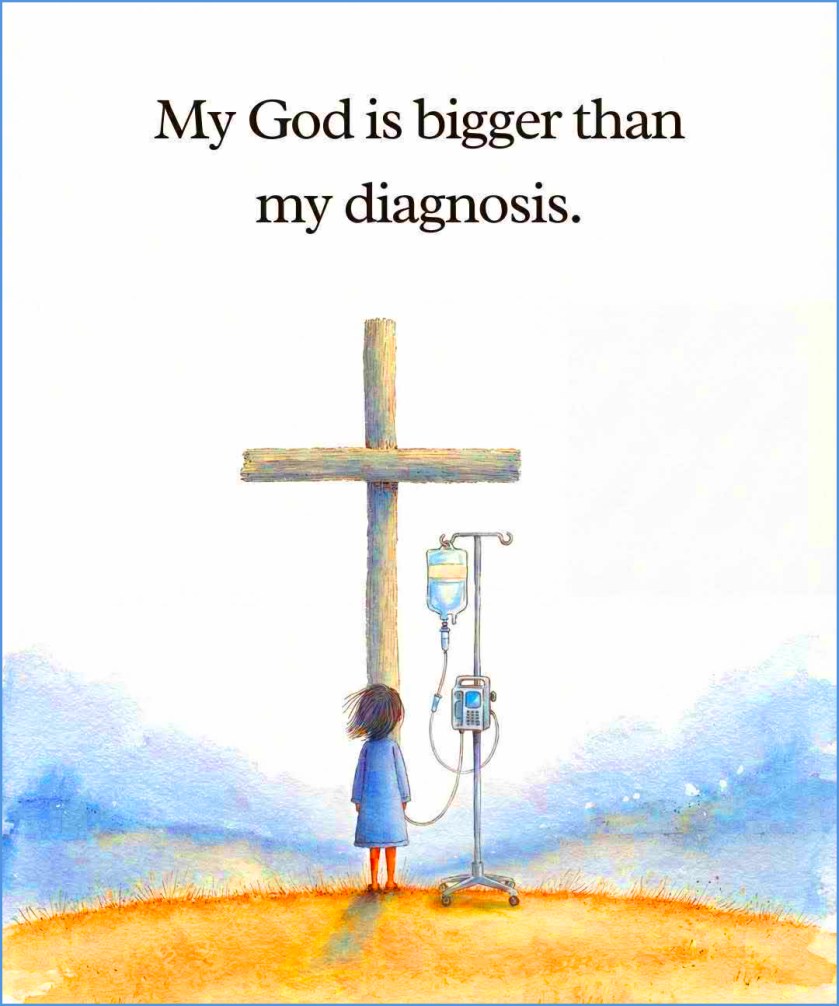
Everything I have read about my cancer, Small Cell Lung Cancer (SCLC), is mostly negative. Very likely these SCLC cells will be lurking in my body pretty much forever. It’s a tough cancer to beat, and just a few years ago, it was a death sentence. Today there are treatments that may rid it from the body or at least keep it at bay. I have read about many people with SCLC who are living for many years. Everyone is different.
I cannot imagine what it would be like to have my diagnosis without faith in God, a loving God, who can completely heal. I can have full healing here on earth, which could mean it is stated as “NED”—No Evidence of Disease, or it can be held back from taking over the body. In the end, when I am called home to be with Jesus for eternity, I will be completely healed of all diseases. I am an image bearer of Christ—He is the giver of life. We, as humans and image bearers of Christ, fight for life. I don’t give up because I know I have a home in heaven. I fight for life here on earth because that is what I want, and especially as an image bearer of Christ, it is what he wants.
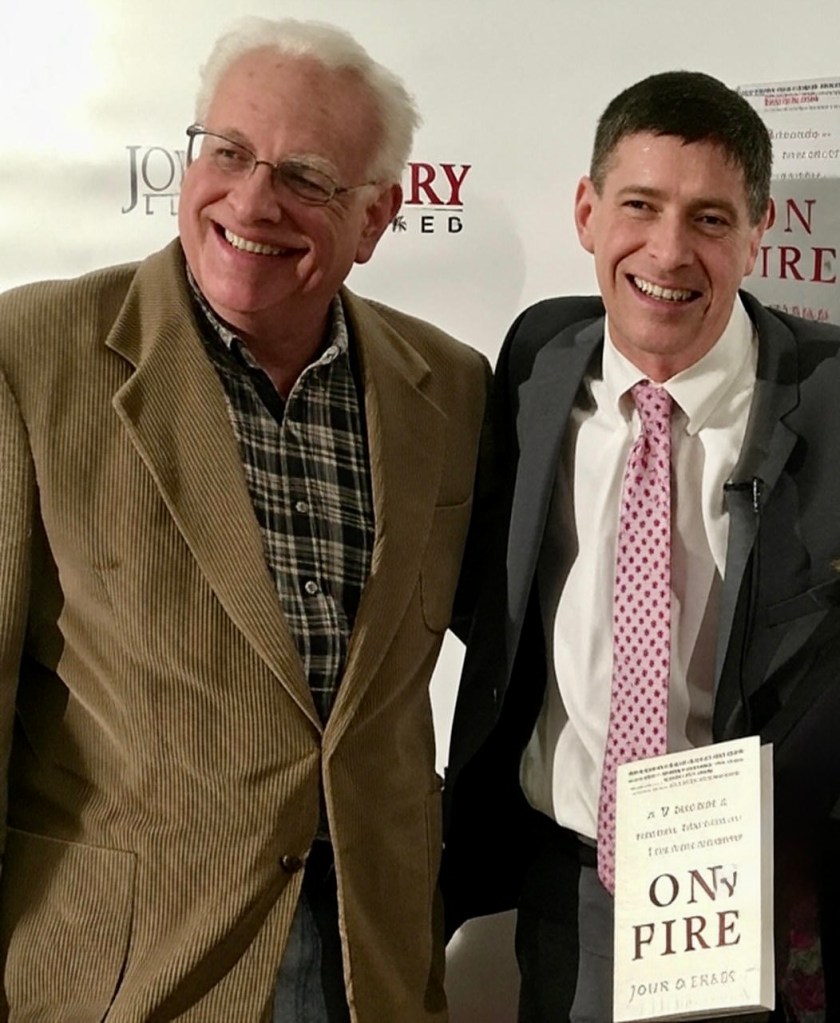
Several years ago, I attended a business conference conducted by John O’Leary, a burn survivor and author of “On Fire” and “In Awe” along with being a motivational speaker, and the subject of the motion picture “Soul on Fire.” John had us each write our ignition statement and vision statement which are also known as our personal mission statement. I wrote this statement somewhere around 2011. It says, “I want to enjoy each day to the fullest, show love to others, be a light to those who want direction, accepting others where they are, being their cheerleader showing compassion, forgiveness, love and connection.” My vision statement is, “to let others know they are not alone in their challenges—that they have value, worth, and a voice. I want to be surrounded by those I love and enjoy the grace of their love to reach out and share it with others.”
This doesn’t make the disease any easier. My eyes have been opened like never before to the epidemic of cancer. So many people have cancer on this planet. I have so many friends and family who are battling this disease. I don’t think I ever noticed that before like i have noticed now. We are in a battle. I love that we can support one another. There is something special about community—to know we are not alone.
I just realized how important those statements I wrote years ago are in light of my diagnosis. I don’t know if I can be healed of this disease, but that is my desire. In the meantime, I hope I can be a light for others to see their way through their struggles, be it a diagnosis, unemployment, family issues, financial issues, or whatever. There is hope for all of us.